
Is knowledge transfer hitting some major roadblocks in your online training program? In this article, I’ll share 9 obstacles that hinder the learning process and tips to overcome them.
For the sake of clarity, knowledge transfer is the process of shifting knowledge from one individual to another or from the LMS platform to the minds of your audience. In some cases, it occurs on a company-wide scale, whereby you strive to move information between groups, departments, or even branches of your organization. The main purpose is to distribute, create, organize, or capture knowledge, as well as make it readily available for future users. However, there are a few factors that stand in the way of successful knowledge transfer. Acknowledging and overcoming them can help make your organization stronger and unlock the floodgates of knowledge flow. Here are 9 roadblocks that prevent knowledge transfer in online training.
1.Geographical Distance
People do not give enough credence to the fact that distance affects all types of relationships. Distance is a huge contributor to the breakdown in communication. This also affects organizations, in that distance makes it more complicated to exchange ideas. Inter-organizational boundaries get blurred, making it a little harder for information to flow freely. Thankfully, you can use online training tools to facilitate peer-based feedback and knowledge transfer, such as social media groups, online discussions, and online PM platforms.
2. The Online Training Environment
The online training environment itself has a direct impact on the knowledge transfer process. For example, employees must contend with in-course distractions or the eLearning course design prevents them from effectively collaborating with their peers remotely. As such, the online training environment must remove barriers that hinder knowledge transfer instead of creating new ones. Streamline your eLearning course design by cutting the clutter, and incorporate collaborative training opportunities like online discussions and group collaboration projects.
3.Time-Zone Differences
Have you ever had to collaborate with someone in a different time zone? If so, then you know how difficult it can be to arrange the meeting and find the right communication tools. However, there are a variety of ways to bridge the time gap and bring your employees into sync. For example, you can record webinars so that everyone has a chance to benefit from the event, or set up a social media group or corporate eLearning blog where employees can contribute and receive updates whenever it’s most convenient.
4. Support Infrastructure
Organizations are always praising their infrastructure and how it is tailored towards organizational growth. But creating an infrastructure that supports knowledge transfer is entirely different. This involves developing an online learning community that encourages ongoing L&D. For example, provide a peer-based online mentoring program or invite corporate learners to start their own social media groups for those with similar interests.
5. Knowledge Accessibility (Or Lack Thereof)
Information comes from different sources within the organization. But it must first be evaluated and filtered to ensure that it makes sense and offers the most value. The other concern is to make certain that everyone has access to the same information. Different locations and departments involve different personnel, online training methods, infrastructure, expertise, tools, and methodologies. Sometimes, putting all these in an environment where they mesh is a real challenge. One of the best ways to overcome this hurdle is to compile a centralized online training library with distinct categories, as well as a microlearning online training repository that provides “moment of need” support.
6. Protocol And Data Security
Within certain organizations, there may be very rigid and unyielding structures that make it hard to share information. There is an emphasis on protocol that prevents employees from sharing knowledge between departments or rungs on the corporate ladder. For example, managers may be uncertain about what information they can distribute to their subordinates, and which is “classified”. This is why it’s crucial to have a knowledge sharing policy in place. Clarify how knowledge is to be disbursed and how employees should evaluate and sort information they receive. For instance, team leaders can analyze the latest compliance regulations and then provide employees with the key facts.
7. Distractions
Internal and external distractions are arguably the most significant obstacles for knowledge transfer. Your corporate learners are dealing with noisy environments, busy schedules, and other issues that contend for their attention. For this reason, it’s essential to create online training content that keeps them focused on the task at hand. You should also research their needs and preferences beforehand so that you know how to capture their interest.
8. Emotional State
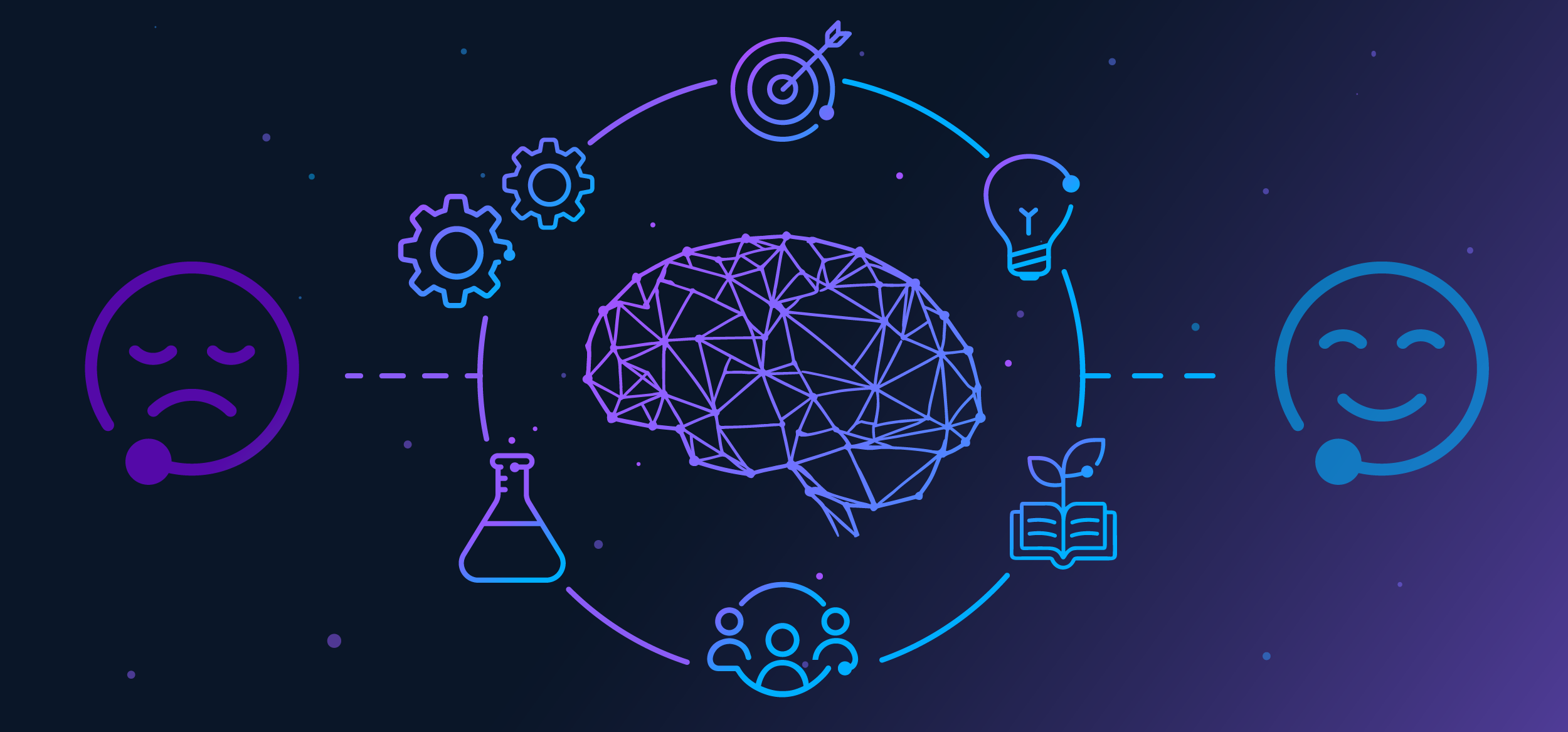
Sometimes the knowledge transfer process is hindered by forces beyond our control, such as high levels of stress, anxiety, or other extreme emotions. Though you cannot completely influence your corporate learners’ emotional well-being, you can impact their mood. Use colour to calm their nerves and inject doses of humour. Let them know that they have all the support they need and strike the right balance of challenge and pressure. For example, create online training simulations that put their skills to the test without stressing them out.
9. Cognitive Overload
Too much information flowing it at once often leads to cognitive overload. In which case, corporate learners’ minds shut off as a matter of self-preservation. Provide knowledge in bite-sized chunks and give corporate learners the power to go at their own pace. This helps steady the influx of knowledge so that the brain can remember the key takeaways. It’s also wise to incorporate recaps or summaries at the end of each online training module or activity. Lastly, assess corporate learners periodically to determine how much they’ve absorbed and identified gaps.
Knowledge transfer is not always an effortless process that happens spontaneously. As a matter of fact, it usually requires careful planning, organization, and collaboration. Your online training strategy must encourage corporate learners to engage with peers and exchange ideas. Otherwise, all that valuable data will be trapped inside the minds of those who are more experienced instead of trickling down for the betterment of the entire team.
Still wondering how to give online learners the knowledge that is there for them? Read the article 8 Tips To Improve Knowledge Transfer In eLearning to discover 8 top tips for improving knowledge transfer in your eLearning course.
 About Christopher Pappas
Christopher Pappas is founder of The eLearning Industry’s Network, which is the largest online community of professionals involved in the eLearning Industry. Christopher holds an MBA, and an MEd (Learning Design) from BGSU.
eLearning Blogger | EduTechpreneur | eLearning Analyst | Speaker | Social Media Addict